
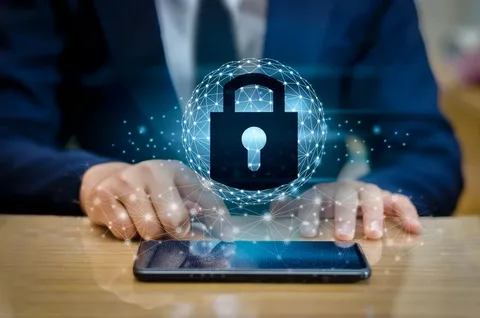
Invisible Armor: The Future of Anti-Piracy Innovation in India
Piracy in India is no longer a problem that is easy to deal with and low-tech. It has grown into a complex, high-volume business that has an impact on everything from movies and software to fashion and education technology. As the digital economy grows and intellectual property becomes increasingly important for corporate success, anti-piracy technology has risen out of the shadows and into the sunlight. It’s not enough to merely get rid of stolen links anymore. Everyone needs to build an ecosystem that can stop, anticipate, and penalize piracy in real time. This article goes into great detail on the future of anti piracy solutions in India and how it is changing the fight to safeguard artists, developers, and content providers.
- Detecting Things Using AI is Becoming the Norm, Not the Exception
Artificial intelligence is no longer simply a term; it’s the main part of contemporary anti-piracy systems. AI systems can find efforts at piracy before they spread by examining hundreds of URLs, forums, and marketplaces in a matter of seconds. These technologies don’t simply find obvious theft; they also find copies that have been changed, re-encoded, or rebranded and are hard to find. Pirates are becoming smarter, therefore AI has to grow smarter quicker.
- Monitoring in Real Time Stops Damage from Spreading Before It Happens
Before, cleaning up piracy happened after the damage had already been done. Now, real-time monitoring tools can tell businesses as soon as unauthorised material goes live on file-sharing sites, social media, or dark web forums. These proactive notifications lead to speedier takedowns, fewer losses, and less time for pirates to make money off of stolen material.
- Watermarking and Fingerprinting are Now Silent Protectors
Smart watermarking and digital fingerprinting don’t only label material; they put ownership into the DNA of every digital item. This technology lets producers find the source of leaks, even if files have been changed, scaled, or re-encoded. It can do this with anything from video streams to architectural blueprints. It’s protection that you can’t see and that you can’t easily remove without ruining the original material.
- The Rise of Large-Scale Automated Takedowns
No more sending emails by hand and hoping for takedowns. Anti-piracy platforms now are linked directly to big social, hosting, and search networks. This lets unlawful material be taken down automatically at lightening speed, all at once on thousands of sites. When applied to all sectors, this authority doesn’t simply stop piracy; it also creates a standard of zero tolerance.
- Cloud-Based Intelligence Sharing Makes Collective Defence Stronger
Working together is the best way to stop piracy. Cloud-based databases now let media corporations, IT companies, and IP holders exchange real-time pirate footprints, threat models, and known infringers. Because of this shared knowledge, pirates can’t just go after another brand to avoid being caught; it’s a rising tide that lifts all ships.
- Machine Learning is Making Pattern Recognition Smarter
Piracy doesn’t happen by chance. It follows trends, such time zones, kinds of language, file sizes, hosting systems, and even certain search phrases. Machine learning technologies can now find these patterns and predict when and where additional breaches could happen. The end result is planned protection ahead of time, not merely defence after the fact.
- Anti-Piracy Is Being Customised for India’s Regional Needs
Because India has so many languages and cultures, piracy doesn’t follow a set pattern. The current generation of anti-piracy systems in India works with material in local languages, platforms that are peculiar to certain regions, and even the lingo used by pirate networks. This cultural fluency makes sure that no material, no matter how unique or local, is left open to attack.
- Blockchain is Becoming a Validator that Can’t be Changed
Blockchain is still developing, but it has a lot of potential in the battle against piracy. Digital records of material production, licensing, and distribution that can’t be changed are proof of ownership that can’t be changed. This not only helps with takedowns, but it also makes court cases stronger and helps artists protect their rights throughout the world.
- Code Traps Included in to Track Unauthorised Use
Smart anti-piracy technology now employs coding that is built into material and turns on when it is used without authorisation. These traps gather information about the infringement, such their location, IP address, or kind of equipment. This helps marketers not only take action, but also find repeat offenders. It’s like having a quiet alarm on all of your digital stuff.
- Legal-Tech Integration Makes Things Go More Smoothly
Detecting piracy isn’t enough for modern anti-piracy. It integrates directly to legal procedures, making things like evidence packages, pre-filled notifications, and even pre-approved lawsuit templates. This smooth connection between software and law makes it simpler for even small businesses and artists to get justice without having to hire a lot of attorneys.
- Surveillance that can’t be Seen
Some pirate networks work together in a way that is quite concerning. To stop this, anti-piracy systems that are ready for the future use invisible monitoring, which discreetly watches and records illicit activity over time. This makes the law stronger and stops habitual offenders from rebounding back after each takedown.
- Sentiment Analysis Shows where Piracy is Most Likely to Happen
Using sentiment analysis to keep an eye on piracy references on blogs, forums, and social media is a new area of research. There is frequently a lot of negative talk about premium material before piracy goes up. Rights holders can see threats coming by keeping an eye on internet talks. They can see them before they ever show up on recognised pirate channels.
Conclusion
India is at a very important crossroads where new ideas and violations collide. Piracy is still a danger to both artists and businesses. However, new anti-piracy technologies like the one doverunner are a strong counterforce. They are discreet, clever, and always changing. India’s inventors are always pushing the limits, and its digital backbone becomes stronger every year. The battle against piracy isn’t simply defensive; it’s also revolutionary. It’s not about responding anymore. It’s about changing what protection means in the digital era.
